


· By Chef Mark
Biltong Mac and Cheese: Why It Beats the Bacon Version
Mac and cheese with bacon is a fine thing. Mac and cheese with biltong is better, and the reason is simple: bacon gives you fat and salt, biltong gives you concentrated beef.
Because biltong has already lost about 65% of its weight as moisture during the slow-dry, it does not water down the sauce or leave a slick of rendered fat across the top. It just adds depth. The coriander and pepper in the cure work with sharp cheddar in a way that is hard to explain until you have eaten it.
About 40 minutes, one pot and one baking dish, feeds four properly.
Ingredients
Serves 4 generously.
For the pasta
- 350g macaroni or other short pasta
- Salt for the pasta water
For the sauce
- 50g butter
- 50g plain flour
- 600ml milk, warmed
- 200g sharp cheddar, grated
- 50g parmesan, grated
- 1 tsp Dijon mustard
- ¼ tsp nutmeg, freshly grated
- Cracked black pepper
To finish
- 120g biltong, chopped into small pieces
- 40g biltong, ground to powder (or use the dust from the bottom of the pouch)
- 50g panko breadcrumbs
- 30g extra cheddar for the top
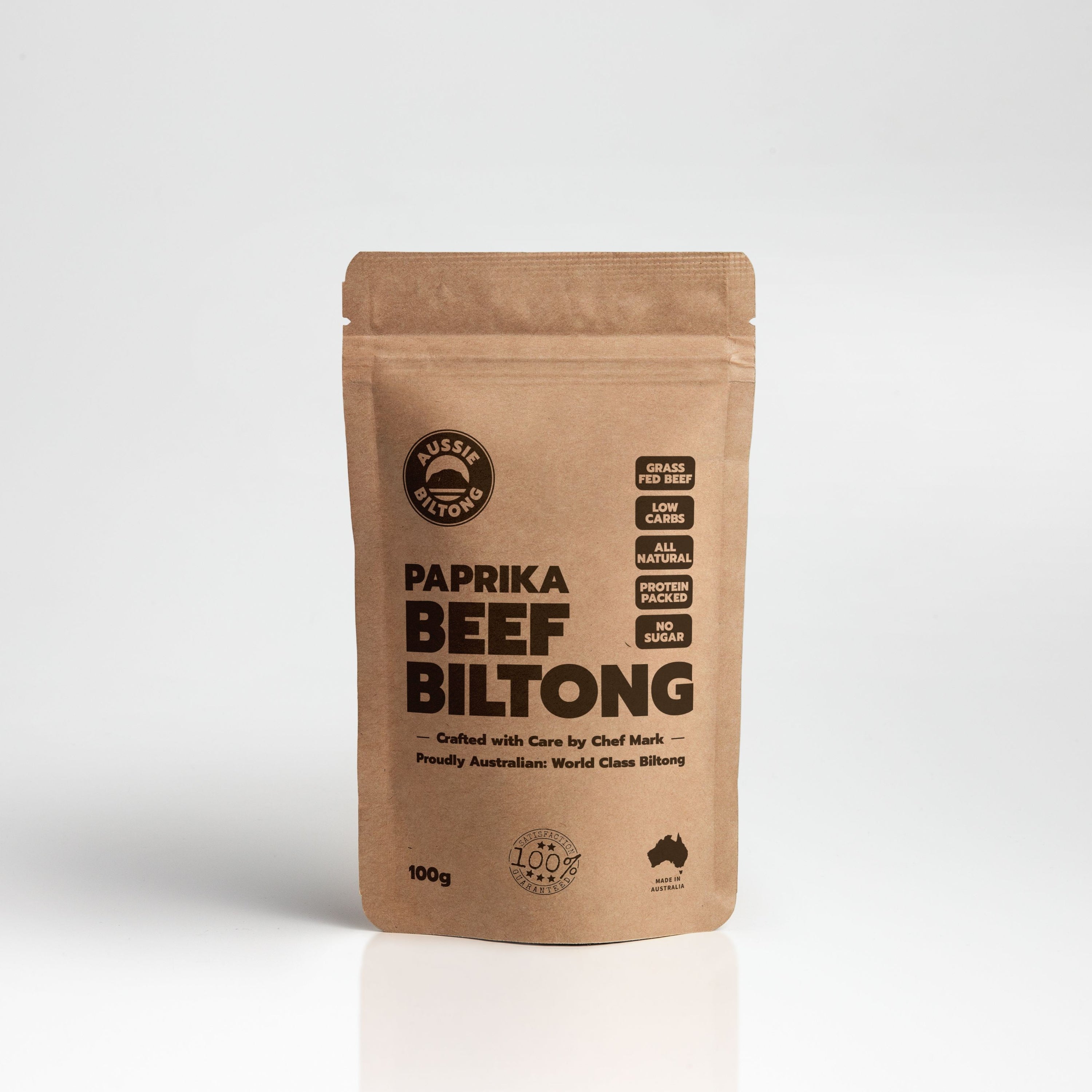
Original is the one to use here. The coriander and black pepper sit beautifully under cheddar. Paprika makes a smokier version that is closer to a chorizo mac, which is also very good but a different dish.
Method
- Heat the oven to 200°C (180°C fan).
- Cook the pasta in well-salted water for two minutes less than the packet says. It will finish cooking in the oven. Drain and set aside.
- Start the sauce. Melt the butter in a large saucepan over medium heat. Add the flour and whisk continuously for two minutes until it smells nutty. This cooks out the raw flour taste.
- Add the milk slowly. Pour in the warm milk a splash at a time, whisking constantly. Adding it all at once is how you get lumps. Keep going until it is all incorporated and the sauce coats the back of a spoon, around 5 minutes.
- Off the heat, add the cheese. Take the pan off the heat before adding the cheddar and parmesan. Cheese added to a boiling sauce splits and goes grainy. Stir until melted and smooth.
- Season. Stir in the Dijon, nutmeg and plenty of cracked pepper. Then stir in the biltong powder. This is the step that makes the dish. The powder dissolves into the sauce and carries beef flavour through every mouthful rather than just the bites that happen to contain a piece.
- Combine. Fold the pasta and the chopped biltong through the sauce. Tip into a baking dish.
- Top and bake. Mix the panko with the extra cheddar and scatter over the top. Bake for 20 to 25 minutes until golden and bubbling at the edges.
- Rest for 5 minutes before serving, so the sauce sets slightly.
Tips from the kitchen
- The powder is not optional. Chopped biltong alone gives you beefy pockets. The powder in the sauce is what makes the whole dish taste of biltong. Use the dust at the bottom of the pouch and you have wasted nothing.
- Do not salt the sauce. Between the cheddar, the parmesan and the salt-cured biltong there is more than enough. Taste before you even consider it.
- Warm the milk. Cold milk into a hot roux is the main cause of lumps. Thirty seconds in the microwave is enough.
- Undercook the pasta. Two minutes less than the packet. It absorbs sauce in the oven and finishes perfectly. Fully cooked pasta turns to mush.
- Add the biltong late. Folding it in at the end keeps some chew. Simmering it into the sauce softens it too much.
Variations
- Add caramelised onion. A slowly cooked brown onion folded through adds sweetness against the salt.
- Make it smoky. Use Paprika biltong and add a pinch of smoked paprika to the sauce.
- Add greens. A few handfuls of baby spinach wilted through the sauce before baking. Nobody will complain.
- Skip the bake. Serve straight from the pan as a stovetop mac if you are short on time. Still excellent, just no crunchy top.
What goes in it
Ours is Australian grass-fed topside, slow-dried over 7 to 14 days and flipped every few hours so it dries evenly. The window is a range rather than a fixed number because airflow direction and intensity change how quickly the moisture leaves, so a batch comes out when the texture is right, not when a timer says so.
Five ingredients: beef, vinegar, salt, coriander, black pepper. No sugar, no preservatives. Every size ships as resealable 250g pouches, so a 1kg order arrives as four sealed pouches and only the one you are using is ever open. Browse the range here. Free express delivery Australia-wide on orders over $150.
One-off orders get 5% off automatically. Subscribe and it is 10% off every order for as long as you stay, no obligation, cancel anytime. And if you are not 100% satisfied, we offer a 100% money-back guarantee.
FAQ
How much biltong do I need for mac and cheese?
160g total for four servings: 120g chopped and 40g ground to powder. That is a little over half a 250g pouch.
Can I use biltong instead of bacon in pasta dishes?
Yes, and it works better in cream and cheese sauces. Bacon releases fat and water as it cooks, which thins the sauce. Biltong is already dried, so it adds beef flavour without loosening anything.
Why did my cheese sauce go grainy?
The cheese was added while the sauce was too hot. Always take the pan off the heat before stirring cheese in, and add it gradually rather than all at once.
Can I make biltong mac and cheese ahead?
Assemble it up to a day ahead, keep it covered in the fridge, and bake when you need it. Add 10 minutes to the bake time if it is going in cold.
What biltong flavour is best for mac and cheese?
Original, because coriander and black pepper complement cheddar without competing. Paprika gives you a smokier, chorizo-style version which is also excellent but noticeably different.