


· By Aussie Biltong
Biltong Vs Beef Jerky? 7 Key Differences You Need to Know Before You Buy

Standing in front of the snack shelf, it’s easy to lump these two together: dried beef in a bag, high in protein, good for road trips. Yet biltong vs beef jerky isn’t a trivial comparison. The two products come from different traditions and are made in different ways, which changes everything. Here are some key differences you should know.
1) Origin and food culture
Biltong traces back to Southern Africa, where curing and slow-drying meat was a practical way to preserve it. Jerky has its own long history, commonly associated with North America and modern convenience snacking.
That cultural gap matters because it shaped the “default” flavour profile: biltong leans savoury and spiced, while jerky often tilts smoky, sweet, or heavily marinated.
2) The cure: vinegar and spice vs marinades
Traditional biltong uses a cure built around vinegar, salt, and spices such as coriander and pepper. Vinegar isn’t there just for tang; it lowers pH and helps control microbial growth during drying. Research on biltong processing shows vinegar can reduce pH and influence the microbiological profile, supporting the idea that the cure is part of the preservation strategy.
Jerky recipes, by contrast, often rely on wet marinades that may include soy sauce, sugar, sweeteners, or smoke flavouring. That doesn’t make jerky “bad”, but it does explain why ingredient lists can look longer and why sweetness is common.
3) Drying method: slow-dried vs heat-treated dehydration
This is the headline difference. Biltong is typically hung and slow-dried over several days at moderate temperatures. One study describes a biltong process using a spice, salt, and vinegar marinade followed by drying around 23.9°C and 55% relative humidity, achieving substantial pathogen reductions over 5–7 days.
Jerky is generally dried with heat (often in an oven, smoker, or dehydrator), which is why it tends to be firmer and more uniformly dry. The United States Department of Agriculture notes that making jerky safely involves reaching temperatures that reduce pathogens, and that dehydrating without adequate heating can be risky if the process doesn’t achieve safe internal temperatures.
4) Cut and thickness: whole pieces vs strips
Biltong is often made from thicker cuts (sometimes dried as a whole piece and sliced after drying). Jerky is commonly sliced into strips before drying.
Drying a thicker piece slowly can leave biltong with a tender centre, depending on the maker’s target dryness. With jerky, thin strips dry faster and more evenly, which pushes the final texture towards chew.
5) Texture and mouthfeel: tender bite vs steady chew
If you’ve ever had biltong that feels almost steak-like in the middle, that’s not an accident. The thickness, the slow-drying style, and the post-drying slicing all play into a softer bite. Jerky’s defining trait is resistance: it pulls, tears, and keeps you chewing.
Neither is “better”; it depends on what you want from a snack. If you like something you can nibble quickly between meetings, biltong often suits. If you want a long-lasting chew on a hike, jerky does the job.
6) Nutrition and ingredients: read the label, don’t assume
People often ask which is healthier, but the honest answer is: it depends on the recipe. Some jerky is very lean and low in fat, but many commercial varieties include added sugars. Biltong recipes can be simple, yet sodium is still a factor for both.
A practical shopping tip is to compare like for like: grams of protein per 100 g, total sugars, and sodium. If you’re watching sugar, biltong may fit neatly because many traditional styles don’t rely on sweet marinades. If you’re tracking macros, keep an eye on biltong nutrition panels too, since fat content can vary with the cut and whether a bit of fat cap is left on.
7) Shelf life and food safety: what “dried” really means
Dried meats last because moisture is reduced, but storage life still depends on packaging and how dry the product is. For jerky, many brands suggest that unopened packs stored properly can stay good for around 12 months, with quality declining after opening if it’s exposed to air and humidity.
For biltong, dryness targets can vary (some people like it wetter, others prefer it quite dry), which changes how long it keeps once opened. When it comes to safety, trustworthy producers don’t just “hope for the best”. They check that their method works.

Buying biltong online? Here’s what to look for
If you buy biltong online from an Australian supplier, treat it like buying good coffee: the details matter.
- Look for clear information on ingredients, dryness style (traditional drier vs softer “wet” biltong), and packaging.
- A short ingredient list is often a good sign when you want a classic flavour.
- Transparent handling and storage advice is also reassuring, especially if you’re ordering for delivery in warmer months.
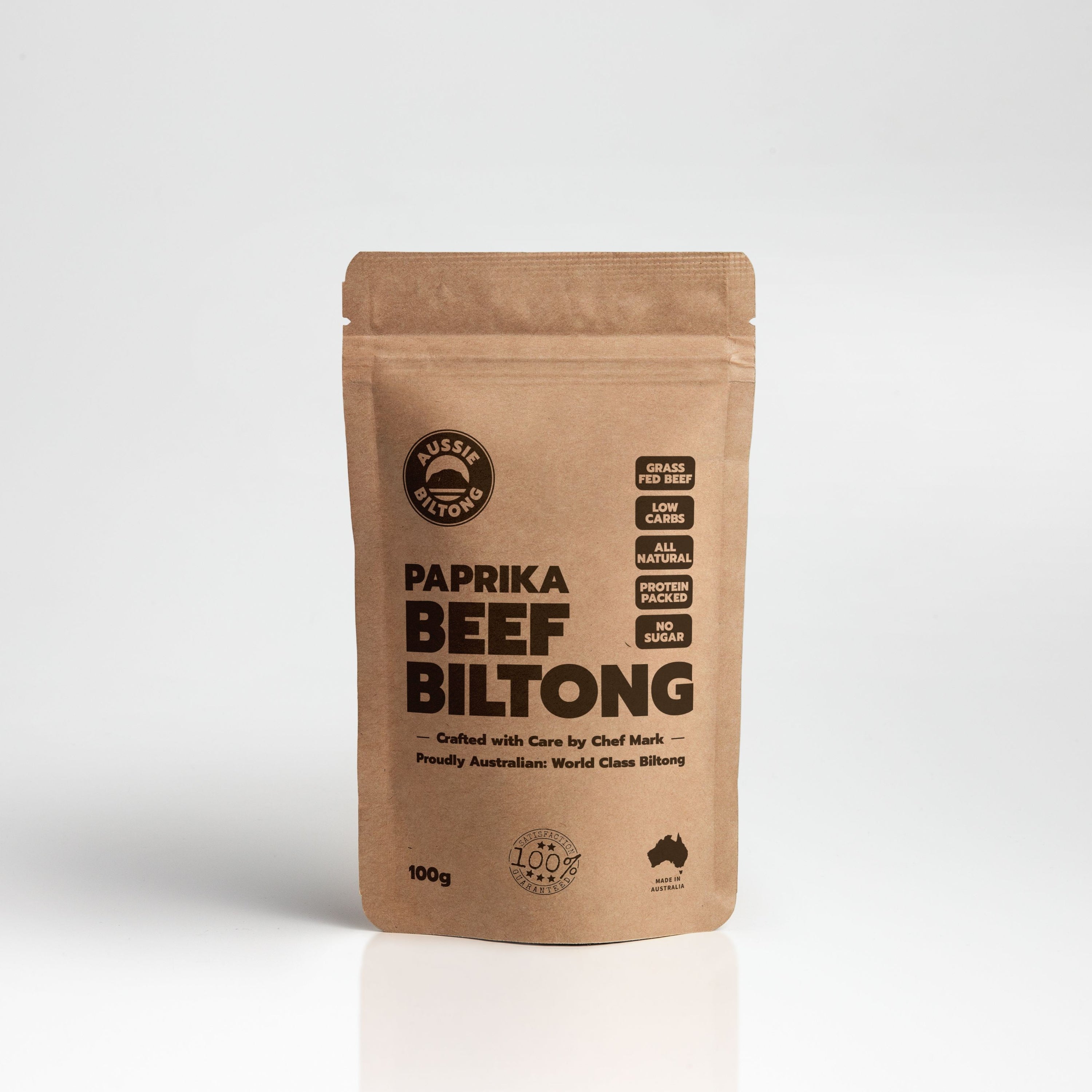
If you’re after a dependable local option, Aussie Biltong positions itself around biltong as the hero product, which can make it easier to choose a style that matches your taste and diet goals.
Frequently Asked Questions:
1) What’s the main difference between biltong and beef jerky?
Biltong is typically cured with vinegar, salt, and spices, then slow-dried over several days and sliced after drying. Jerky is usually cut into strips first and dried with heat in an oven, smoker, or dehydrator. Those choices shape flavour, texture, and sometimes the ingredient list.
2) Is biltong cooked?
Traditional biltong isn’t “cooked” in the way roast beef is. It’s preserved through curing (often vinegar and salt) and controlled drying. Research on biltong processing describes pathogen reductions achieved through the combined effect of the marinade and drying conditions, rather than a single high-heat step.
3) Does biltong usually have less sugar than jerky?
Often, yes, but it depends on the brand. Many jerky recipes use sweet marinades or added sugars for flavour and browning. Traditional biltong commonly focuses on vinegar and spices instead. The sure way to know is to check “total sugars” on the label and compare products side by side.
4) Which is better for hiking or travel?
Jerky tends to be drier and more uniform, which many people like for long days out. Biltong can also travel well, especially when it’s a drier style and kept sealed between snacks. If you’re packing for heat, follow the maker’s storage advice and avoid leaving opened packs in a hot car.
5) How can I choose a quality biltong for the first time?
Start simple: choose a classic flavour (like coriander and pepper), check the ingredient list, and decide whether you want it softer or drier. If you’re managing sugar intake, compare nutrition panels. Also look for clear handling guidance and packaging that limits air exposure, as this helps maintain quality after opening.